
Contact Us
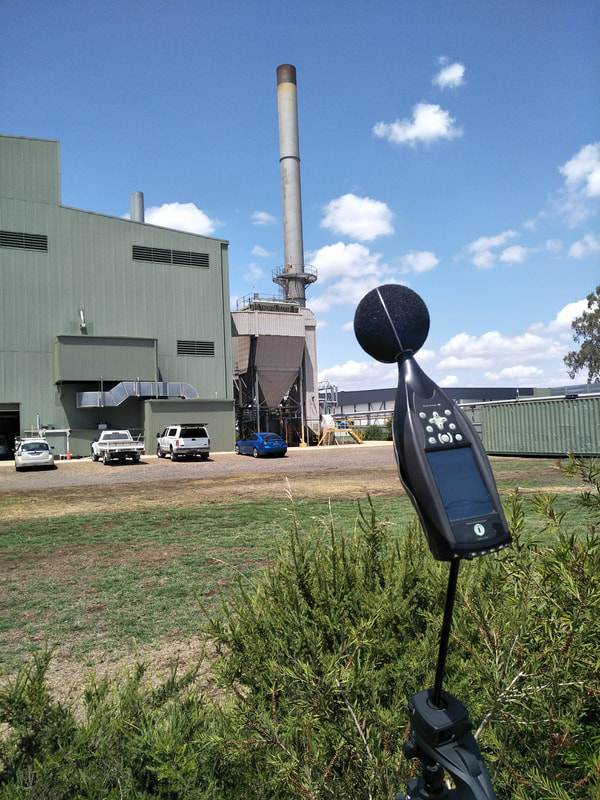
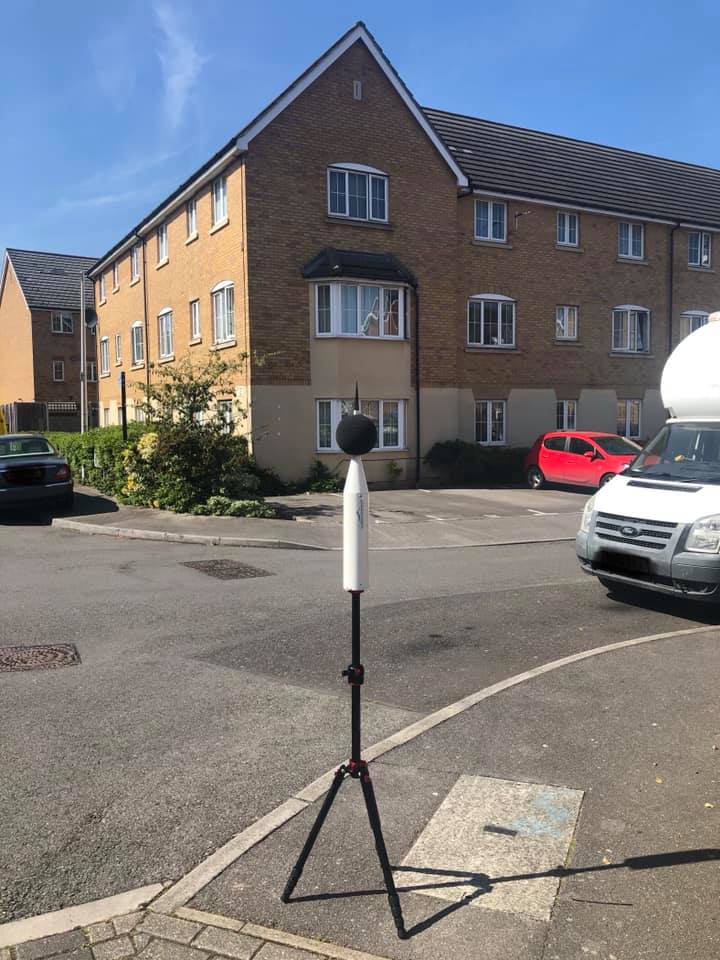
A Noise Impact Assessment is a critical component of the planning application process which typically includes baseline monitoring and a comprehensive acoustic report that presents the current noise environment, as well as predicts potential future noise levels generated by the construction and operation of a proposed development. The purpose of the assessment is to evaluate and mitigate the potential noise impacts of the proposed scheme, ensuring that it aligns with local authority planning requirements and noise-related regulations.
This type of assessment is commonly required for new developments or change of use applications, whether industrial, commercial or residential in nature. Our expertise helps clients obtain planning permission by clearly demonstrating that noise impacts have been properly assessed and appropriately managed.
Why You Need a Noise Impact Assessment?
A Noise Impact Assessment is essential to meet the requirements of planning regulations and ensure that your proposed development will not generate, or be subject to, unacceptable noise levels to and from surrounding areas. It provides a clear understanding of the baseline noise conditions and assesses the potential impacts of your development, offering recommendations on noise mitigation measures where necessary.
By carrying out a Noise Impact Assessment early in the planning process, we help identify any potential issues that may need to be addressed, reducing the risk of planning delays or objections. The outcome of this assessment is an acoustic report that supports your planning application and ensures that all potential noise issues are properly managed.
To support your planning application we address noise impacts and ensure compliance with local authority requirement by carrying out noise impact assessments for:
- Industrial and warehousing facilities (use class E(g)(iii), B2, B8): commercial operations, including commercial, light and general industrial, storage and distribution, and related noise generated by fixed equipment.
- Residential properties: optimal internal and external sound levels to be achieved in dwellings, correct glazing and ventilation for the development.
- Operational Noise & Fixed Plant Noise: This includes noise from machinery, HVAC systems, and other fixed equipment, both during and outside operational hours.
Standards & Regulations:
Our assessments adhere to the latest standards in noise measurement and analysis, including:
- BS4142 (Methods for Rating Industrial Noise): A standard used to assess the likelihood of complaints from nearby residents or sensitive receivers due to operational industrial noise.
- BS8233 (Guidance on Sound Insulation and Noise Reduction in Buildings): Provides guidance on acceptable noise levels within residential or other sensitive environments to ensure a good standard of acoustic comfort.

Vibration Impact Assessment
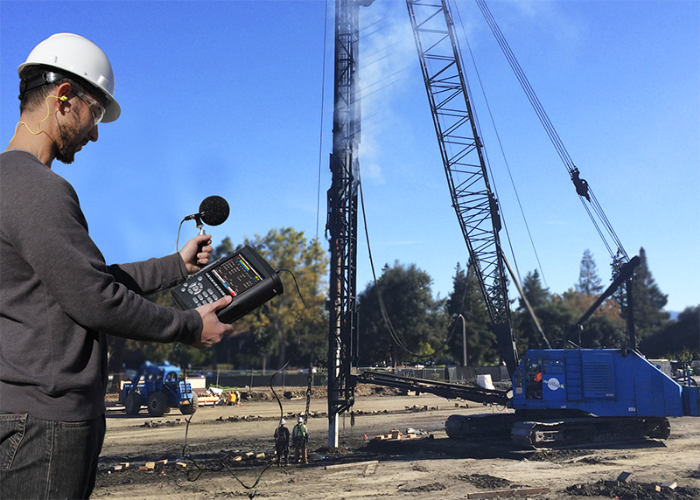
A Vibration Impact Assessment is crucial for developments that may cause or be affected by vibration, particularly in areas close to vibration-generating activities such as railways, transport routes, or machinery installations. This assessment includes baseline attended and unattended monitoring and vibration modelling, which measures existing vibration levels and predicts the impacts generated by the proposed development on sensitive receptors and/or vibration impacts to which the development may be subject.
Key Areas of Focus:
• Planning Application Permission: Supporting your planning application by addressing potential vibration impacts.
• Vibration from Railways or Internal Plant: Assessing the impact of vibrations from nearby infrastructure or the installation of internal machinery.
• Sensitive Receptors: Identifying and managing vibration risks to nearby residential or commercial properties.
Standards & Regulations:
Our assessments adhere to the latest standards in vibration measurement and analysis, including:
• BS 7385 (Vibration Induced Damage to Buildings): Guidelines for assessing vibration levels that could lead to structural damage
• BS 6472 (Human Exposure to Vibration): Addresses the potential health and comfort impacts of vibration on humans.
• BS 5228-2 (Code of Practice for Vibration on Construction & Open Sites): Provides recommendations for control of vibration in relation to construction and open sites.
Why You Need a Vibration Impact Assessment?
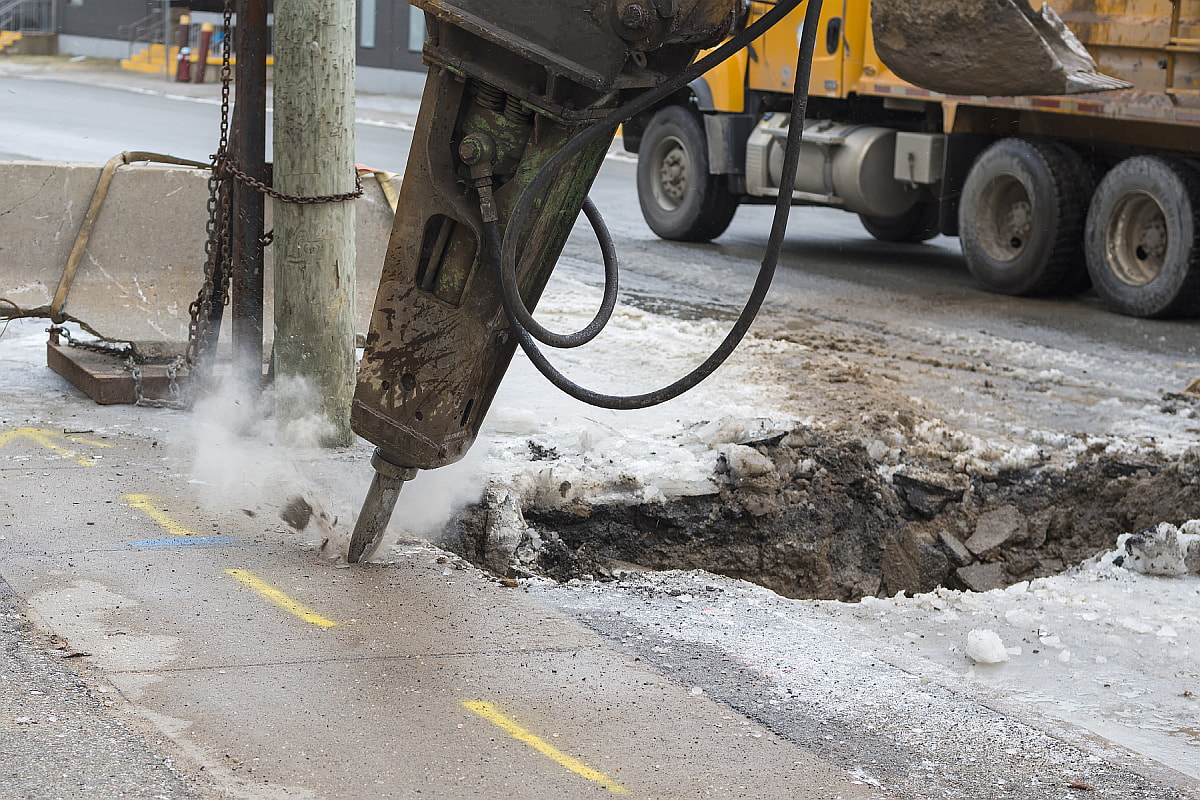
A Vibration Impact Assessment is crucial for developments that may cause or be affected by vibration, particularly in areas close to vibration-generating activities such as railways, transport routes, or machinery installations. This assessment includes baseline attended and unattended monitoring and vibration modelling, which measures existing vibration levels and predicts the impacts generated by the proposed development on sensitive receptors and/or vibration impacts to which the development may be subject.
Dust Impact Assessment
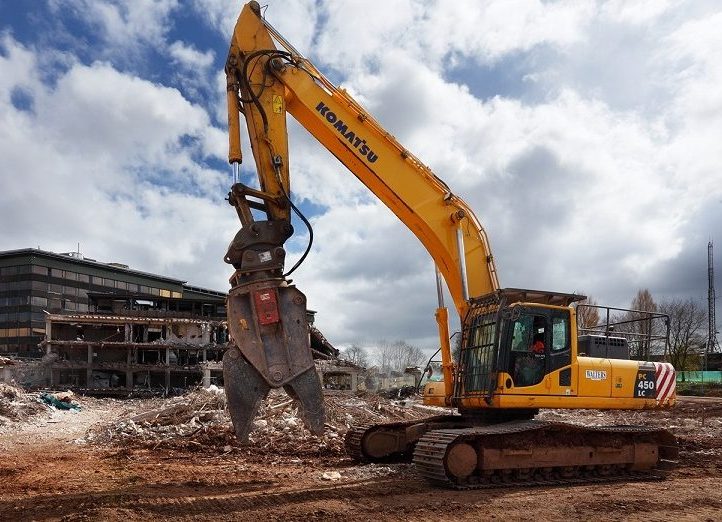
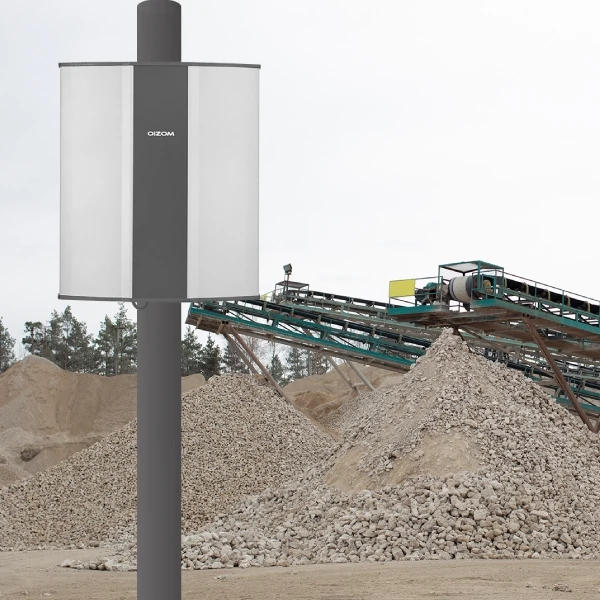
A Dust Impact Assessment is an essential part of the planning process for developments likely to generate dust, particularly during demolition, construction, or operations near sensitive receptors. This assessment includes baseline dust monitoring and, when needed, the creation of a Dust Management Plan, which outlines how dust will be controlled and mitigated throughout the lifecycle of the project.
Dust assessments are especially required when construction or demolition activities are planned near sensitive receptors such as residential areas or schools. Our approach helps ensure that dust emissions are kept to a minimum, complying with health, safety, and environmental regulations.
Key Areas of Focus:
• Planning Application Permission: To support your planning application by demonstrating that dust will be effectively managed and mitigated.
• Sensitive Receptors: Protecting residential, commercial, and other sensitive environments from dust-related health or environmental impacts.
• Dust Monitoring & Mitigation: Implementing real-time dust monitoring during construction and recommending effective control measures to reduce dust emissions.
Standards & Regulations:
Our assessments refer to the latest standards in dust measurement and analysis, including:
• HSE Construction Dust Guidelines: Ensures dust generated during construction activities is controlled.
• COSHH (Control of Substances Hazardous to Health): Ensuring that hazardous dust, such as silica, is managed to prevent health risks

Why You Need a Dust Impact Assessment
Dust can cause health issues and environmental damage if not properly managed. A Dust Impact Assessment ensures that your development complies with regulations and minimizes the risk of dust-related complaints. When needed, the assessment will include a Dust Management Plan to outline how dust will be controlled during construction, ensuring compliance with health and safety standards.
Contact us today to book a Noise, Vibration, or Dust Impact Assessment
If you need a Noise, Vibration, or Dust Impact Assessment for your development project, or if you’re unsure which services you need, don’t hesitate to contact us. We’ll help you navigate the planning process, ensuring compliance with all environmental and regulatory requirements.